Market: Oil & Gas

Gas Dehydration Unit

Gas Dehydration Unit

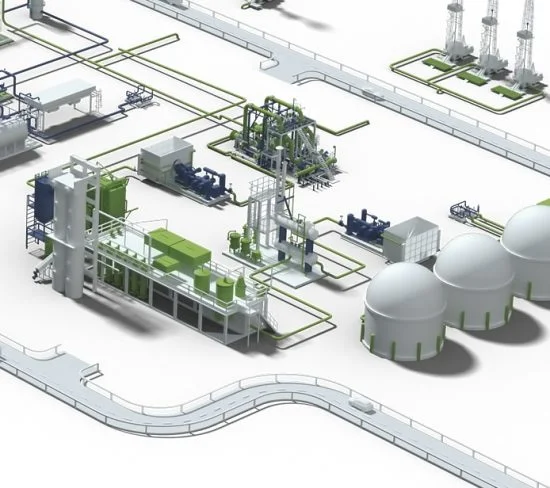
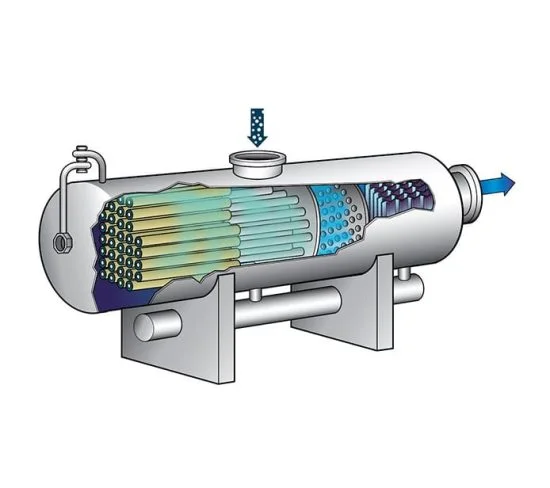
Gas Dehydration is widely used application in Gas Processing Plants. This process is carried out to remove moisture from the natural gas to achieve the required water dew point for pipeline specification or for downstream processing like NGL extraction.

Depending on required outlet guarantee either of the process is selected:

  • Glycol Based Gas Dehydration Process
  • Molecular Sieve Gas Dehydration Unit

Tri Ethylene Glycol (TEG)-based Gas Dehydration is more widely used and can achieve guarantees up to 3-7lb/ MMSCF of water in treated gas stream. Molecular Sieve Dehydration are used mostly in NGL Plants upstream of cryogenic process.

FEATURES & BENEFITS

  • Proven and Reliable Design
  • Can be offered with Peerless Black Powder Filter Separator at inlet
  • Low cost of operation and maintenance
  • Modular Solution for Offshore and FPSO

Gas & Liquid Coalescing Filters

Gas & Liquid Coalescing Filters

Coalescing filter elements offer the highest efficiency performance.  These are intended as a “polishing” stage to remove sub-micron particles & are usually combined with a vane or cyclonic separation device upstream to prolong filter element operating life.

FEATURES & BENEFITS

Liquid / Liquid coalescers separate two types of liquid (i.e., oil and water) while Gas / Liquid coalescers separate liquids from gases.

Fuel Gas Conditioning Skid

Fuel Gas Conditioning Skid

Fuel Gas Conditioning (FGC) system is primarily provided to treat fuel gas by removing any solids and liquid content and set the gas process conditions such as temperature and pressure to meet emission norms and improve the life of downstream equipment.

Process Description

If unconditioned process gas is sent directly to the gas engine turbines/generators/burners, it can damage their internal components. Hence, process gas, sourced from a slip-up stream of GDU or sales gas pipelines, requires pre-treatment prior to being used as fuel gas. Presence of even a minute quantity of liquid droplets or solids can severely damage the combustion engine of the turbines, resulting in failure of the equipment and voiding its warranty.

FEATURES & BENEFITS

The Fuel Gas Conditioning (FGC) unit typically consists of a pre-heater, pressure reduction manifold, FG Knock out drum (KOD), Gas Scrubber/Filter and Gas Superheater (Electric or Indirect Fired). Depending of the hydrate formation tendency, sometimes a pre-heater may be provided at the FG system inlet.

The pressure of the HC gas entering the FG system is reduced as per the user requirement. Due to this JT effect, the HC condensate and water formed are separated from the gas in the KOD. The gas is then taken to the Coalescers/Fine filter to further reduce the liquid and solid droplet size in the gas to <0.5µm. The gas is then heated, using a Superheater to elevate its temperature to above the HC dew point (typically 10–20ºC) and reduce any possibility of condensate formation in the pipeline leading to the gas turbine.

CECO Environmental

APPLICATIONS

  • Offshore – Process Platforms/Wellheads/ FPSO/ MOPUs/ Drilling rigs
  • Onshore – Oil & Gas Processing, Early Production, Well Testing, Refineries, Gas plants, Produced water treatment units

FRP Storage Tanks

FRP Storage Tanks

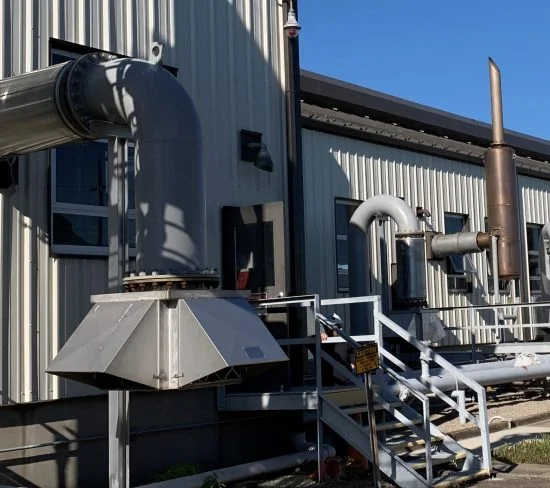
Offered separately or as an integral component of our scrubber systems, our HEE-Duall brand custom fiberglass reinforced plastic (FRP) exhaust Duct, Hood, and Stacks are an ideal and preferred method of venting in a variety of applications over traditional materials.

Our manufacturing process ensures uniform thickness and the highest quality finish, and we use premium quality resin and glass systems with rich resin interiors for corrosion resistance and fire-retardant exteriors that are UV stabilized.

We manufacture both round and rectangular duct. Round duct is available in standard 3-to-144-inch diameters, with non-standard and rectangular sizes available designed to suit your specific needs. Our duct and fittings are manufactured utilizing filament winding and hand lay-up techniques that comply with applicable ASTM (American Society for Testing and Materials) and National Bureau of Standards (NBS) standards.

For over four decades, HEE-Duall has been a global leader in the design and supply of purification systems. With state-of-the-art technology, our products are designed to remove hazardous and volatile exhaust compounds in multiple industries. We craft everything you need for collecting, handling, and controlling corrosive wastes. Our Duct, Hoods and Stacks provide superior venting for our scrubber systems, which are the premier choice for cleansing harmful industrial exhaust streams. When you utilize HEE-Duall products, you can be confident your emissions are cleansed effectively and efficiently.

HEE-Duall’s superior products can be custom-designed for systems to meet your unique situation, regardless of how large or small the job may be. Our system components are flexible and capable enough to handle almost any job. We can deliver the right equipment for your application, and we will assist you each step of the way. Our staff of experts are knowledgeable in all purification processes, and our customer support team gets a gold star for service. Choosing the right purification equipment for your company is a significant decision. But when you choose HEE-Duall, the choice is easy. Choose the most advanced, most reliable, and most carefully crafted equipment in the industry.

FEATURES & BENEFITS

  • Low Total Cost of Ownership
  • Longer product life with our premium quality resin and glass systems for corrosion resistance and fire-retardant exteriors
  • Material strength and integrity – our duct and fittings are manufactured utilizing filament wound and hand lay-up techniques

Fluid Catalytic Cracking Units (FCC Cyclones)

Fluid Catalytic Cracking Units (FCC Cyclones)

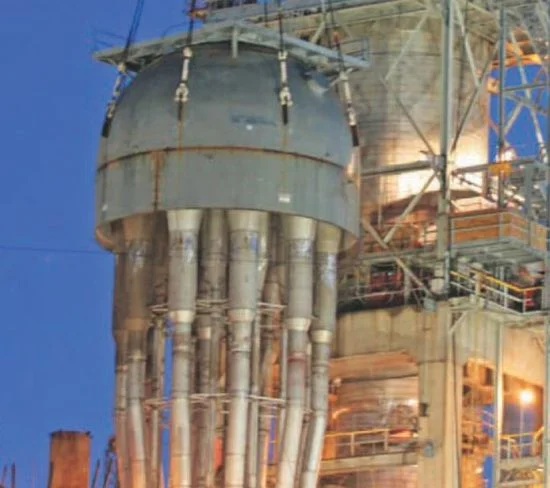
Fluid Catalytic Cracking Units (FCC Cyclones) are the principal technologies that enable the critical process within heavy oil refining of converting the heavy oils into more valuable gasoline and lighter products. More than half of the refinery’s heavy petroleum is processed through the FCC Cyclones, and the FCC Cyclones are also an important source of butene and pentene olefins used in refinery processes.

Our Emtrol-Buell brand has supplied more FCC Cyclones to refineries and petrochemical plants worldwide than any other supplier, so our experience in this area is unequaled. They are designed to enhance separation efficiency, accommodate increased catalyst loading, and are tailored to meet the application needs of refineries and petrochemical plants.

We custom-engineer the following products at the highest quality:

  • FCC Cyclones – Patented Beam Hanger Support System
  • FCC Cyclones – Reactor
  • FCC Cyclones – Regenerator
  • FCC Cyclones – Third Stage Separator Systems
  • FCC Cyclones – Fourth Stage & Catalyst Hopper Cyclones

The Concept of Fluid Catalytic Cracking

Heavy gas oils and vacuum gas oils are heated to more than 600 °F and then mixed with a catalyst before they enter the main FCC reactor. Chemical reactions “crack” the large molecules in the oil into smaller molecules, and carbon forms on the surface of the catalyst.

Inside the reactor, steam is injected to separate the oil from the catalyst, forcing the catalyst to move like a fluid. The “cracked” oil vapors flow out the top of the reactor. The used catalyst flows out the bottom of the reactor mixed with air and enters the regenerator vessel where surface carbon on the catalyst is burned off. The regenerated catalyst leaves the bottom of the regenerator to be mixed with the heavy oil feed.

Exiting the top of the regenerator is a hot flue gas stream that heats other boilers in the plant. While the catalyst is being regenerated, the hot oil vapors exit the top of the reactor and enter the main fractionator. This fractionator separates the “cracked” petroleum stream into lighter products such as gasoline.

Our Emtrol-Buell brand Fluid Catalytic Cracking Units (FCC Cyclones)

Our FCC Cyclones are designed with innovative enhancements to ensure optimal performance, efficiency and reliability. We are also expert at the evaluation of existing cyclone systems in order to recommend modifications to maximize performance and minimize erosion problems.

We are approved by all the FCC process licensing companies as a qualified supplier of cyclone equipment, namely

  • ABB Lummus
  • ExxonMobil
  • IFP
  • Kellogg Brown & Root (formerly M.W. Kellogg)
  • Stone and Webster (Shaw Groups)
  • UOP

FCC Cyclones from CECO Emtrol-Buell

For more than a century, Emtrol-Buell has carved a path of innovation in developing reliable, highly advanced refining equipment. Facilities that use Emtrol-Buell FCC Cyclone equipment to process heavy petroleum are employing meticulously produced equipment that is head and shoulders above anything else on the market today. We apply pioneering engineering to build processing equipment capable of running for years without maintenance. This attention to detail and quality enables us to provide peace of mind and ensure the quality of an essential piece of equipment in the petroleum refining process.

Due to the broad range of potential issues that can halt the oil refining process, it is crucial that your facility uses only the most advanced, proven systems. You must demand the best systems in the industry. The Emtrol-Buell brand is at the forefront of the industry because they provide acclaimed, custom-designed Cyclone system to refineries and petrochemical plants around the world.

We build the finest FCC Cyclone models for every stages of refining so you can employ exemplary technology throughout the process. The customized products we build will be ideally suited to your specific needs. We have the perfect equipment for all refineries. When you choose a brand to equip your refinery, choose the company that supplies more FCC Cyclones to refineries and plants than any other. You should be proud of the equipment you use. Choose Emtrol-Buell.

FEATURES & BENEFITS

  • Enhanced aspect ratio of the cyclone inlet
  • New crossover duct design
  • Minimized use of edge bars in the refractory linings
  • Standard or complex designs
  • Dust hopper and lined dipleg stub designs that enhance catalyst discharge while decreasing erosion effects
  • Low Total Cost of Ownership
  • Maximum performance and efficiency
  • High reliability
  • Enhanced to increase separation efficiency
  • Premium quality material construction to withstand severe operating condition

Filter Silencers

Filter Silencers

Burgess-Manning standard models in the A and B Series offers sizes ranging from 2.500 to 81.500m3/hr. (1,500 to 48,000 CFM) with either single or dual stage filtration. Efficiencies range from 72% to 99% AC fine.

The assemblies can reduce intake noise from the source by up to 14 decibels and if additional acoustic reduction is required, other Burgess-Manning filter silencer elements can be added to the installation.

The Series A housing is designed to accept a conventional 50mm (2 inches) deep single filter element or for critical services, two 50mm (2 inches) deep filter elements in series. The B Series B housing is designed to accept a 300mm (12 inches) deep, high efficiency single filter element. An additional 50mm (2 inches) deep pre-filter element can be used in series if required.

When it is time to change out a filter element, unique spring loading catches simplify the removal and replacement of these elements with the most common filter elements stocked by Burgess-Manning for quick assembly and shipment directly to the jobsite.

Filter Separators

Filter separators are important for maintaining equipment integrity, enhancing process efficiency, and meeting regulatory standards.

The Peerless brand Filter-Separator system provides economical, effective, and highly efficient removal of large and small solid and liquid particles from gas streams to help protect valuable mechanical equipment and optimize the efficiency of processes. The Filter Separators combine a filter and liquid removal device in one high-performance vessel:

  • 36″ Filters capture solids and coalesce liquids
  • Vane packs strip away liquids for clean dry gas

Our filter separators are available in vertical or horizontal, and single- or double-barrel configurations. We deliver performance guaranteed solutions to fit your requirements, ensuring 99.5% or higher removal efficiency, optimal operational performance, and highly reliable systems.

Discover the power of our filter separators today.

FEATURES & BENEFITS

  • Flexible designs
  • Custom sized vessels and internals
  • State-of-the-art testing
  • Built to ASME code
  • Low Total Cost of Ownership
  • Guaranteed to remove 100% of all liquid droplets 8 microns and larger
  • High reliability

Ferrate-based Advanced Oxidation Process

Ferrate-based Advanced Oxidation Process

Ferrate (Supercharged Oxidant)

Ferrate (FeO4)2- is a supercharged form of iron with in the +6 oxidation state, also known as Iron (VI). Ferrate is extremely powerful to serve multiple treatments from a single application. It does not create toxic Disinfection By-Products thus, is environment-friendly, and solves a various range of treatment challenges than other standard oxidants. Most importantly, Ferrate is often the least expensive and most effective treatment option. Ferrate is a versatile oxidant is designed to move away from chlorine, as well as ozone, peroxides and ultraviolet light.

Ferrate-Based Advanced Oxidation

The process of mixing Hydrated Ferric solution (iron catalyst) and strong Acidic Halogen Oxidant solution (oxidizing agent) is the easiest method to produce pure Ferrate in the reaction tank. The purity of Ferrate is more than 99% in the mixed form. This Ferrate production scheme is an exclusive and proprietary process.

Ferrate (VI) from Hydrated Ferric solution & Acidic Halogen agent is the safest oxidant, inexpensive and “environmental friendly”, especially for water and waste water treatment applications. This Reduction-Oxidation process is an ideal treatment for industrial and municipal effluent containing hazardous organic and inorganic compounds. Using the high purity ferrate, there is no need to dose poisonous and corrosive gasses like chlorine, hypochlorite or ozone. These oxidants have deleterious side effects. Additionally, the handling of chlorine, hypochlorite, HOCl, chlorine dioxide or ozone are potential danger to workers due to their high toxicity. And a major disadvantage of chlorine and chlorine dioxide or any other chlorine- containing oxidant produce, chloramines, chlorinated aromatics, chlorinated amines or hydrocarbons. All these oxidants are potential mutagens or carcinogens, are for sure more toxic than the parent contaminants.

Both compositions in Hydrated Ferric catalyst and Acidic Halogen are oxidation products and 100% biodegradable. The ferrate molecule precipitates out of solution as Fe(OH)3 and now the adsorption process starts to collect cation as well as anions from the water. The iron containing product will be easily filtered out by Advanced Catalytic Media Filtration leaving iron-free water containing innocuous by-products.

FEATURES & BENEFITS

  • Ferrate is the most powerful common oxidant/ disinfectant for water and wastewater treatments
  • Multiple Treatment Capability
  • Low-Operating Cost
  • Safe & Non-toxic Reagents required
  • No Disinfection By-Products
  • Capable to treat Difficult Biosolids
  • Versatile Supercharge Iron which can perform as an Oxidant, Disinfectant & Coagulant
CECO Environmental

APPLICATIONS

  • Produced Water Treatment
  • Wastewater Treatment
  • Drainwater Treatment
  • High Organics Waste Treatment
  • Refineries & Petrochemical

FCC Cyclones – Third Stage Separator Systems

FCC Cyclones – Third Stage Separator Systems

Fluid Catalytic Cracking Units (FCC Cyclones) are the principal technologies that enable the critical process within heavy oil refining of converting the heavy oils into more valuable gasoline and lighter products. More than half of the refinery’s heavy petroleum is processed through the FCC Cyclones, and the FCC Cyclones are also an important source of butene and pentene olefins used in refinery processes.

Our Emtrol-Buell brand has supplied more FCC Cyclones to refineries and petrochemical plants worldwide than any other supplier, so our experience in this area is unequaled. Our FCC Cyclones are designed to enhance separation efficiency, accommodate increased catalyst loading, and are tailored to meet the application needs of refineries and petrochemical plants.

We custom-engineer the following products at the highest quality:

  • FCC Cyclones – Patented Beam Hanger Support System
  • FCC Cyclones – Reactor
  • FCC Cyclones – Regenerator
  • FCC Cyclones – Third Stage Separator Systems
  • FCC Cyclones – Fourth Stage & Catalyst Hopper Cyclones

 FCC Cyclones – Third Stage Separator Systems

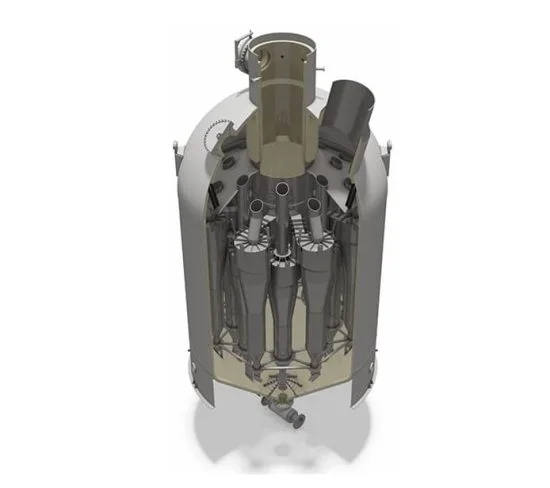
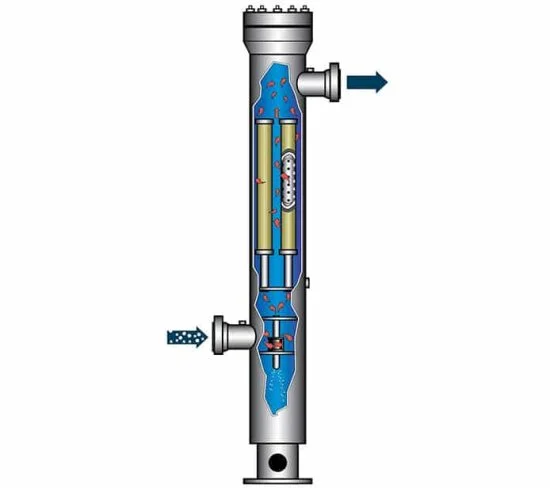
Third Stage Separator Systems include cyclones, a containment vessel, an underflow system, catalyst storage and evacuation.

Unlike traditional third stage units designed to eliminate particles >10 micron diameter and high inlet and outlet velocities, characterized by a large number of small cyclone, Emtrol-Buell brand Third Stage Separator Systems are designed to collect as much catalyst as possible while limiting system erosion and catalyst attrition.

We utilize a pressure vessel to contain fewer, larger diameter, high efficiency cyclones sized to maintain inlet velocity (with refractory lined cyclones, erosion on cyclone surface is reduced to an acceptable level).

Unlike other systems, our technologies do not require underflow for proper operation, as solids can be discharged directed through a valve. From the final collection hopper, the fines can be off-loaded to a truck or disposal container.

By designing and building trustworthy, innovative hardware for over 120 years, Emtrol-Buell has lead the way in modernizing refining equipment. Businesses that employ Emtrol-Buell FCC Cyclone solutions to process heavy petroleum utilize painstakingly designed equipment that exceeds all other products on the market. We design and build state-of-the-art processing equipment that operates continually and faithfully. This attention to detail is how we ensure the standard of performance of a crucial piece of equipment in the petroleum refining process.

It is important that your facility employs the most advanced systems to meet the exacting industry standards and avoid possible issues that can stop the oil refining process. Never settle for anything but finest in the industry. Emtrol-Buell leads in manufacturing and providing custom-designed Cyclone solutions to refineries and petrochemical plants on a global scale.

Emtrol-Buell builds better FCC Cyclone resources for every part of the refining industry so you can apply better technology from beginning to end. We provide custom equipment perfectly designed for your unique application. We make ideal equipment for any and all refineries. When picking a brand for your refinery’s equipment needs, pick the industry innovator that provides more FCC Cyclone units to refineries and plants than any other institution. You should be proud of the equipment you use. Choose Emtrol-Buell.
FEATURES & BENEFITS

  • Enhanced aspect ratio of the cyclone inlet
  • New crossover duct design
  • Minimized use of edge bars in the refractory linings
  • Standard or complex designs
  • Dust hopper and lined dipleg stub designs that enhance catalyst discharge while decreasing erosion effects
  • Low Total Cost of Ownership
  • Maximum performance and efficiency
  • High reliability
  • Enhanced to increase separation efficiency
  • Premium quality material construction to withstand severe operating conditions

FCC Cyclones – Regenerator

FCC Cyclones – Regenerator

Fluid Catalytic Cracking Units (FCC Cyclones) are the principal technologies that enable the critical process within heavy oil refining of converting the heavy oils into more valuable gasoline and lighter products. More than half of the refinery’s heavy petroleum is processed through the FCC Cyclones, and the FCC Cyclones are also an important source of butene and pentene olefins used in refinery processes.

Our Emtrol-Buell brand has supplied more FCC Cyclones to refineries and petrochemical plants worldwide than any other supplier, so our experience in this area is unequaled. Our FCC Cyclones are designed to enhance separation efficiency, accommodate increased catalyst loading, and are tailored to meet the application needs of refineries and petrochemical plants.

We custom-engineer the following products at the highest quality:

  • FCC Cyclones – Patented Beam Hanger Support System
  • FCC Cyclones – Reactor
  • FCC Cyclones – Regenerator
  • FCC Cyclones – Third Stage Separator Systems
  • FCC Cyclones – Fourth Stage & Catalyst Hopper Cyclones

FCC Cyclones – Regenerator

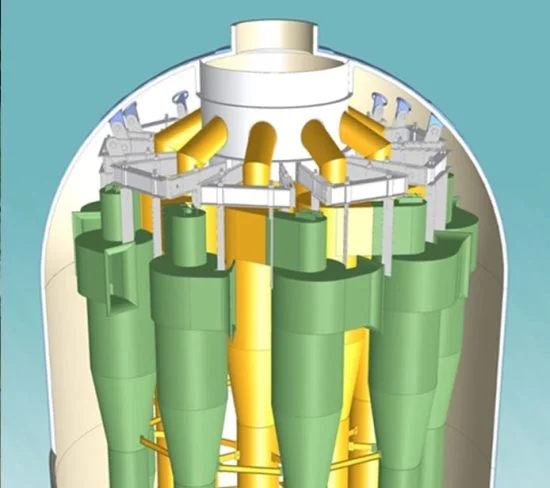
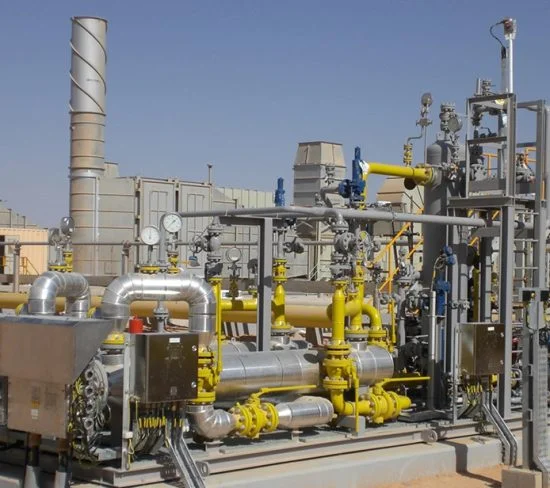
Regenerator Cyclones are used to separate catalyst from flue gas created when the carbon or coke is burned with air from the FCC catalyst. They are designed to withstand very abrasive service at a temperature of 1,450 degrees F.

Emtrol-Buell has blazed the path as industry leader for over 120 years by providing reliable, cutting-edge refining equipment. Companies that choose Emtrol-Buell FCC Cyclone solutions to process heavy petroleum are choosing meticulously crafted hardware that performs better than anything else on the market. We use highly advanced engineering techniques to build processing equipment able to run for years without maintenance. This attention to detail and quality means that we can ensure the integrity of a critical piece of the petroleum refining process.

With the long list of inherent issues that can slow or stop the oil refining process, it is crucial that your equipment perform to exacting standards and that demands the industry’s best, most advanced systems. The industry leader in building celebrated, custom-designed Cyclone system, Emtrol-Buell supplies equipment to refineries and petrochemical plants all over the world.

We builds first-class FCC Cyclone models for each and every step of refining so your company can put superior technology in place start to finish. Our FCC Cyclone Regenerator is a prime example. We can design and manufacture custom hardware perfectly suited to your specific requirements. Our equipment and products lines are ideal systems for any and all refineries. When it’s time to select equipment for your refinery’s equipment needs, go with the industry leader who provides more FCC Cyclone units to refineries and plants than any other company. You should be proud of the equipment you use. Choose Emtrol-Buell.
FEATURES & BENEFITS

  • Enhanced aspect ratio of the cyclone inlet
  • New crossover duct design
  • Minimized use of edge bars in the refractory linings
  • Standard or complex designs
  • Dust hopper and lined dipleg stub designs that enhance catalyst discharge while decreasing erosion effects
  • Low Total Cost of Ownership
  • Maximum performance and efficiency
  • High reliability
  • Enhanced to increase separation efficiency
  • Premium quality material construction to withstand severe operating conditions