Brand: Peerless Water

Demineralization by Ion Exchange Resin

Demineralization by Ion Exchange Resin

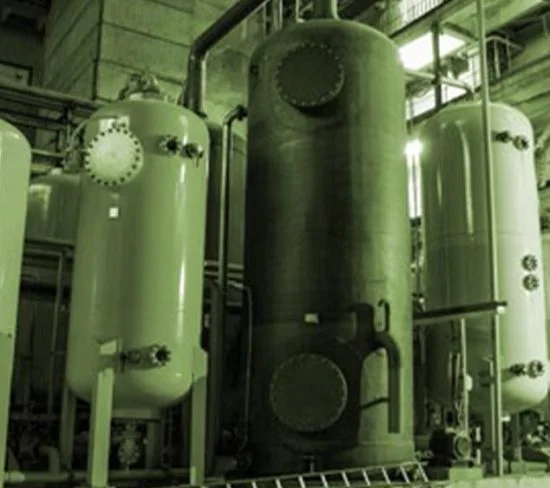
Demineralization (IOX) is based on chemical properties that form the ion exchange resins, synthetic origin polymeric roots. Those resins are supplied with active functional groups, bonded to the sources that can exchange their moving ions with ions having the same charge contained in the solutions when water pass the IOX bed.

The Dementalization process is a cyclic process, thus, regeneration using acid & caustic soda is required at a specific frequency based on the ionic load, ion exchange quantity and flow rate. The standard system consists of Pretreatment to ensure feed water TSS is less than < 5 ppm, with a wide range of feed water conductivity up to 1,000 μm, two mono beds (SAC & SBA) followed by a mixed bed. Based on the feed water quality, a degasifier might be considered between the mono bids to reduce carbon dioxide load.

FEATURES & BENEFITS

  • Cost-effective operation and maintenance with an ionic load less than 500 μm
  • Low power consumption
  • Reliability & Robust
  • Provides complete removal of dissolved inorganic particles
  • Handle a wide range of raw water sources & quality

CECO Environmental

APPLICATIONS

  • Steam generation for petrochemical, chemical
  • Oil & gas industries
  • Injection water for pharmaceutical and autoclave steam disinfection
  • Steam generation for combined cycle power plants and thermal power plants
  • Food and beverage specialty and the wine industries
  • Semi-conductor industries

Demineralization by Electro Deionization

Demineralization by Electro Deionization

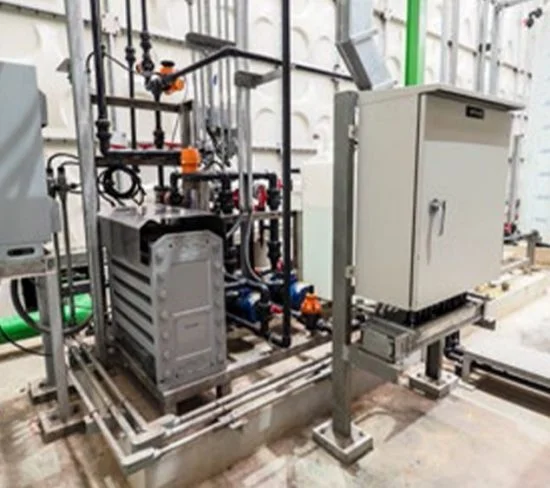
The electro-deionization (EDI) process mainly produces (demineralized) high-purified water required for different industries, combining semi-impermeable membrane technology with ion-exchange media. The electrical current is used to continuously regenerate the resin, eliminating the need for using harsh chemicals required for the regeneration of ion exchange resin. The EDI technology used to produce high-purified water (< 0.01 µm) mainly for the following industries

CECO Environmental

APPLICATIONS

  • Steam generation for petrochemical, chemical, oil, and gas industries
  • Injection water for pharmaceutical and autoclave steam disinfection
  • Steam generation for combined cycle power plant, thermal power plants
  • Food and beverage specifically within the win industries
  • Semi-conductor industries

Ceramic Membrane

Ceramic Membrane

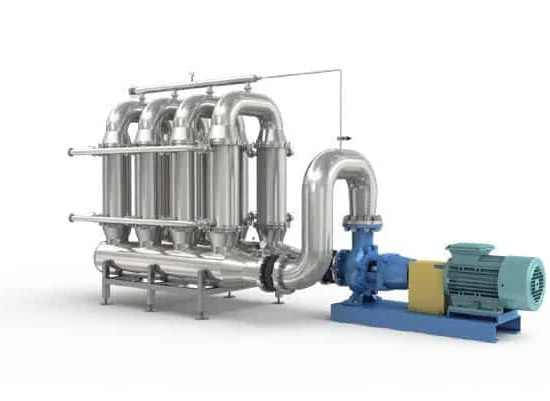
Ceramic membrane is a process where fluid flows through the tiny pores in the ceramic filter element, and particles larger than the pores of the ceramic filter are trapped on the surface. The first ceramic membranes (CM) were produced in the 1980s, and ceramic filtration was made from inorganic materials (such as alumina, titania, zirconia oxides, and silicon carbide).

The ceramic membrane is now progressively recognized in the water treatment industry. It is used for oil-water separation, sediment filtration, water purification and for chemically aggressive fluid and high-temperature applications. A ceramic membrane is a good choice for extreme applications.

CECO Environmental

APPLICATIONS

  • Industrial wastewater
  • Dairy, food, and beverage industries
  • High-temperature wastewater
  • Oily water treatment
  • Chemically aggressive wastewater treatment
  • Wastewater treatment and recycling

Cartridge Filtration

Cartridge Filtration

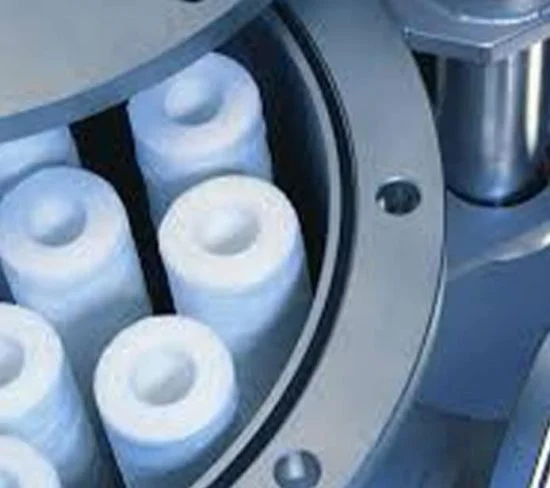
Microfiltration is a type of physical filtration process where a contaminated fluid is passed through a special pore-sized membrane or element to remove suspended particles from process liquid, the particles removed depend on the cartridge filter type, micron rate and material of construction.

FEATURES & BENEFITS

  • Minimal footprint requirement
  • Low cost of ownership
  • Easy installation
  • Low maintenance
CECO Environmental

APPLICATIONS

  • Pre-treatment to RO system
  • Chemicals filtration
  • Beverages filtration
  • Solvents filtration
  • Pharmaceutical Industry

Advanced Oxidation Process

Advanced Oxidation Process

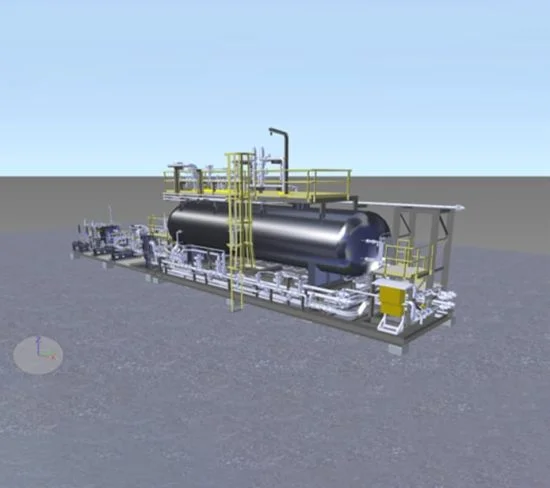
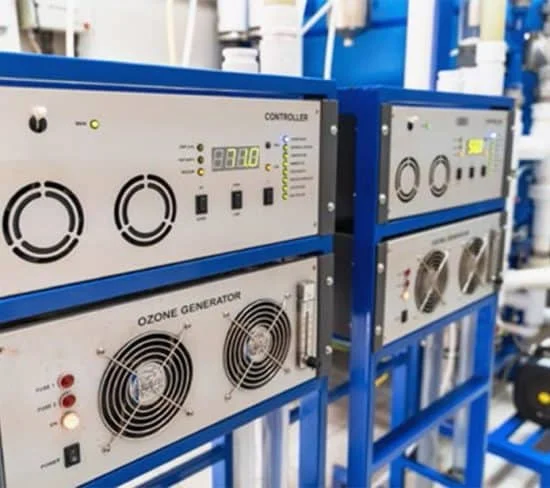
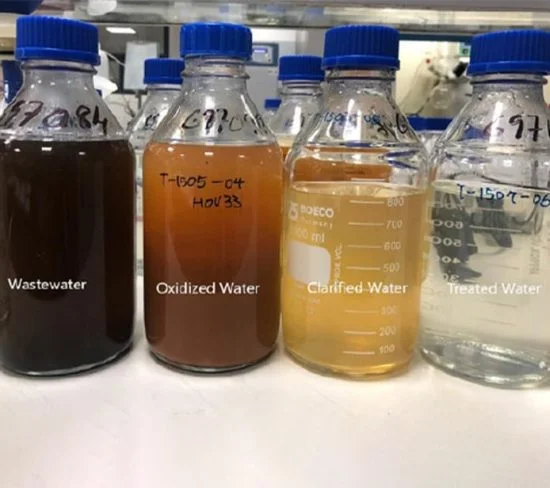
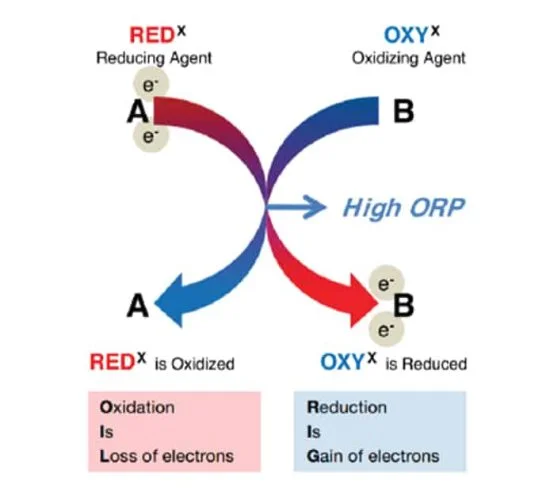
Advanced oxidation process (AOP) is a chemical treatment procedure designed to remove organic and some inorganic material from water and wastewater by oxidation reactions. Used mostly for wastewater treatment, AOP usually refers specifically to a chemical process that employs ozone (O3), hydrogen peroxide (H2O2), with or without UV light, and Ferrate base chemicals.

AOP is widely used in industrial wastewater treatment and brings several benefits such as achieving disinfection, the process doesn’t introduce any new hazardous substances into the water, and it effectively eliminates organic compounds from wastewater, among others.

FEATURES & BENEFITS

  • Effectively eliminate organic compounds from wastewater
  • Transfer pollutants into another safe phase
  • Heavy metals can be removed
  • Disinfection can be achieved
  • Does not introduce any new hazardous substances into the water
  • Some AOP chemicals are environmentally friendly
CECO Environmental

APPLICATIONS

  • Chemical treatment for sewage water
  • Chemical treatment for COD and BOD for industrial wastewater
  • Chemical treatment for pharmaceutical wastewater
  • Chemical treatment for the food and beverage industry
  • Treatment of hazardous wastewater